
The Science Behind Slot Machine Design
The allure of slot machines can be traced back to their intricate design, which combines visual and auditory stimuli to captivate players. Bright lights, enticing themes, and engaging sounds work together to create an immersive experience. This sensory overload is not just for entertainment; it also triggers the brain’s reward system, making players feel a surge of excitement every time they spin the reels. The unpredictability of the outcomes, combined with visually appealing graphics, creates a potent cocktail of stimulation that can be hard to resist, especially when considering the best nongamstop casinos uk available for those seeking variety.
Many designers understand psychological principles when developing slot machines, incorporating elements like near-misses to keep players engaged. A near-miss occurs when a player comes close to winning but falls just short, which can amplify feelings of anticipation and excitement. This clever use of psychological triggers crafts an experience that feels rewarding, even if the player does not win. Such designs encourage repeated play, as players chase the elusive jackpot, believing they are just one spin away from success.
The use of sound effects and music is another critical component in creating a captivating atmosphere. Winning spins often feature celebratory sounds, which further enhance the player’s sense of achievement. This auditory feedback reinforces the idea that winning is possible, prompting players to continue playing in hopes of experiencing another victory. When combined with the thrill of potentially high payouts, the design of slot machines forms an irresistible experience, making them a significant part of the gambling landscape.
The Role of Variable Reward Schedules
Variable reward schedules are a fundamental aspect of what makes slot machines so addictive. This concept, rooted in behavioral psychology, refers to providing rewards at unpredictable intervals rather than on a fixed schedule. When slot machines are programmed to pay out intermittently, players are more likely to continue spinning, hoping for the next win. This unpredictability fuels their desire, making the experience engaging and thrilling.
In essence, variable rewards produce a pattern similar to that of natural rewards, which are often unpredictable in real life. When the outcome of each spin remains uncertain, players are compelled to keep playing to attain that next rewarding moment. The anticipation builds, transforming the act of playing into an exciting adventure rather than a simple gamble. The emotional highs and lows associated with these variable rewards create a psychological hook that can be difficult to resist.

This system not only enhances engagement but also contributes to the formation of habits. As players continue to seek out the next win, they may unknowingly develop a reliance on these machines. The excitement generated by each spin can lead to an altered perception of time and money, causing players to spend more than they initially intended. The allure of potential rewards, coupled with the thrill of the game, creates an addictive cycle that keeps players returning for more.
Social Influence and Peer Pressure
The social environment surrounding slot machines can also play a significant role in their addictive nature. Many players find themselves drawn to the communal spaces where slot machines are located, such as casinos or gaming lounges. The presence of other players can foster a sense of competition or camaraderie that enhances the overall experience. People are influenced by observing others winning, which can create a sense of shared excitement and encourage them to play longer.
Additionally, the social interaction that occurs in these environments can amplify the thrill of gambling. Engaging with fellow players, sharing stories, and celebrating wins together contribute to a lively atmosphere that keeps players glued to their machines. This sense of belonging can be particularly powerful, leading individuals to spend more time and money in pursuit of both personal wins and shared experiences.
Moreover, the social aspect of gambling can create an echo chamber where excitement is amplified. When people around you are winning or celebrating, the pressure to join in and try your luck can be overwhelming. New players may feel encouraged to play longer or bet higher amounts simply because they want to be part of the community. This social influence can contribute to a cycle of addiction, as players become more invested in their experiences and relationships within this environment.
The Psychological Impact of Gamification
Gamification is a modern strategy employed by many slot machine developers to enhance player engagement and retain attention. By incorporating game-like elements, such as levels, missions, and rewards, designers create an experience that feels less like traditional gambling and more like an interactive game. This approach appeals to a wider audience, particularly younger players who are accustomed to gaming mechanics in various forms of entertainment.
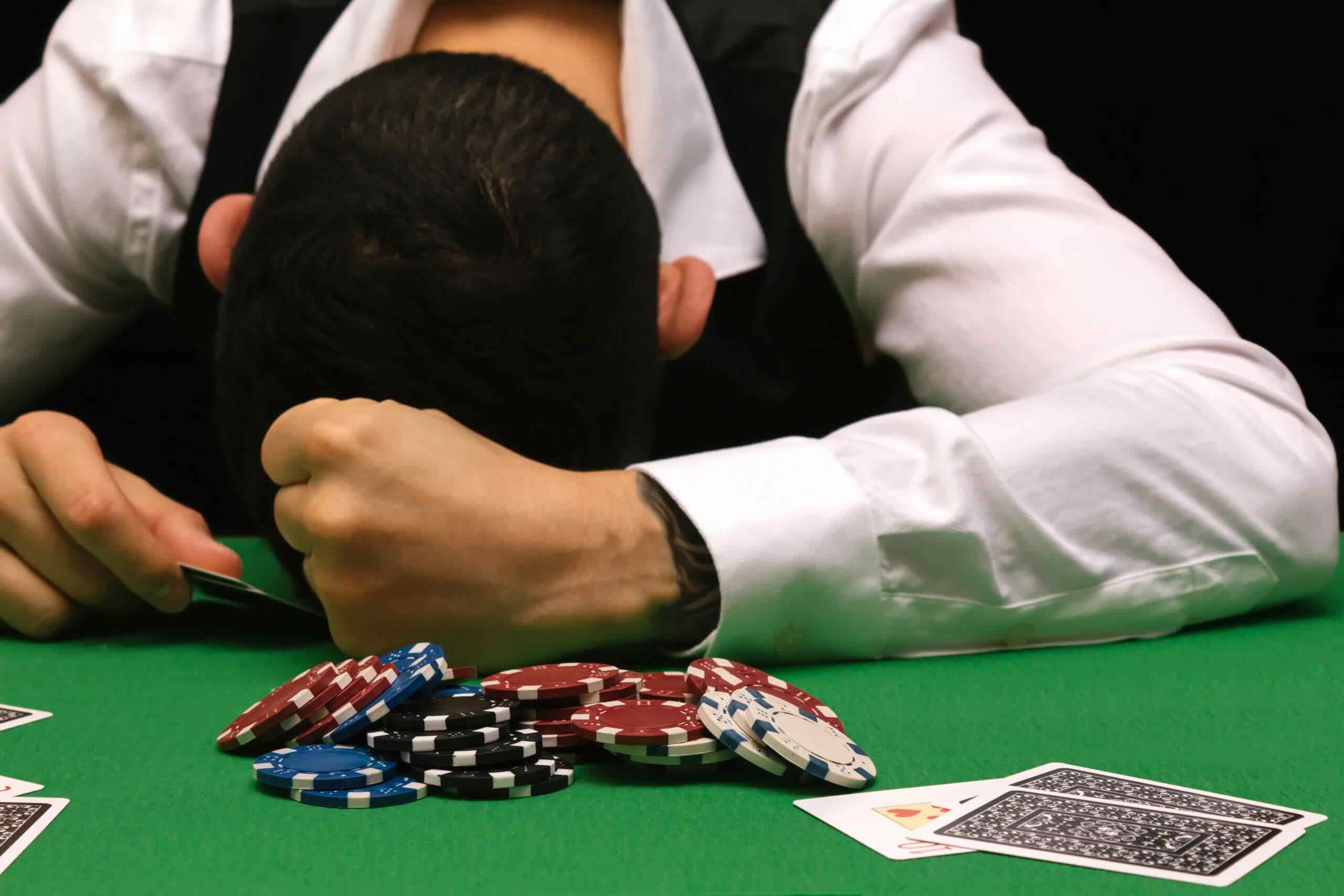
This psychological impact of gamification creates an environment where players feel a sense of achievement and progress. As they complete tasks or reach milestones within the game, they are rewarded with bonuses, free spins, or other incentives. These rewards can further reinforce their gaming experience, making it feel more rewarding than simply gambling for money. Consequently, players may continue playing longer than they initially planned, as they chase after these in-game achievements.
Moreover, the concept of leveling up can create a driving force for ongoing play. Players are motivated to improve their performance and achieve higher statuses within the game, leading them to return repeatedly. This desire to progress can overshadow the financial aspect of gambling, causing players to focus more on their gaming experience than on the risks involved. Ultimately, this competitive edge fosters an addictive quality, further entrenching slots in the fabric of modern entertainment.
Discover More About Slot Machines and Responsible Play
Understanding what makes slot machines so addictive is vital for fostering responsible play and awareness in gaming environments. Recognizing the psychological and social factors at play can empower individuals to make informed decisions when engaging with these machines. By learning about the design elements and psychological triggers that contribute to addiction, players can better navigate their gambling experiences.
At our website, we provide comprehensive resources about slot machines, responsible gaming, and strategies to maintain a healthy relationship with gambling. Whether you are an experienced player seeking insights or a newcomer wanting to learn the ropes, our articles offer valuable information tailored to your needs. We believe that an informed approach to gaming can enhance your enjoyment while minimizing the risks associated with excessive play.
We are dedicated to promoting a safe and enjoyable gaming environment for all players. Through our educational content, we aim to raise awareness about the addictive nature of slot machines and encourage responsible gaming practices. Join us in exploring the world of slots while prioritizing your well-being and making informed choices for a fun and responsible gaming experience.